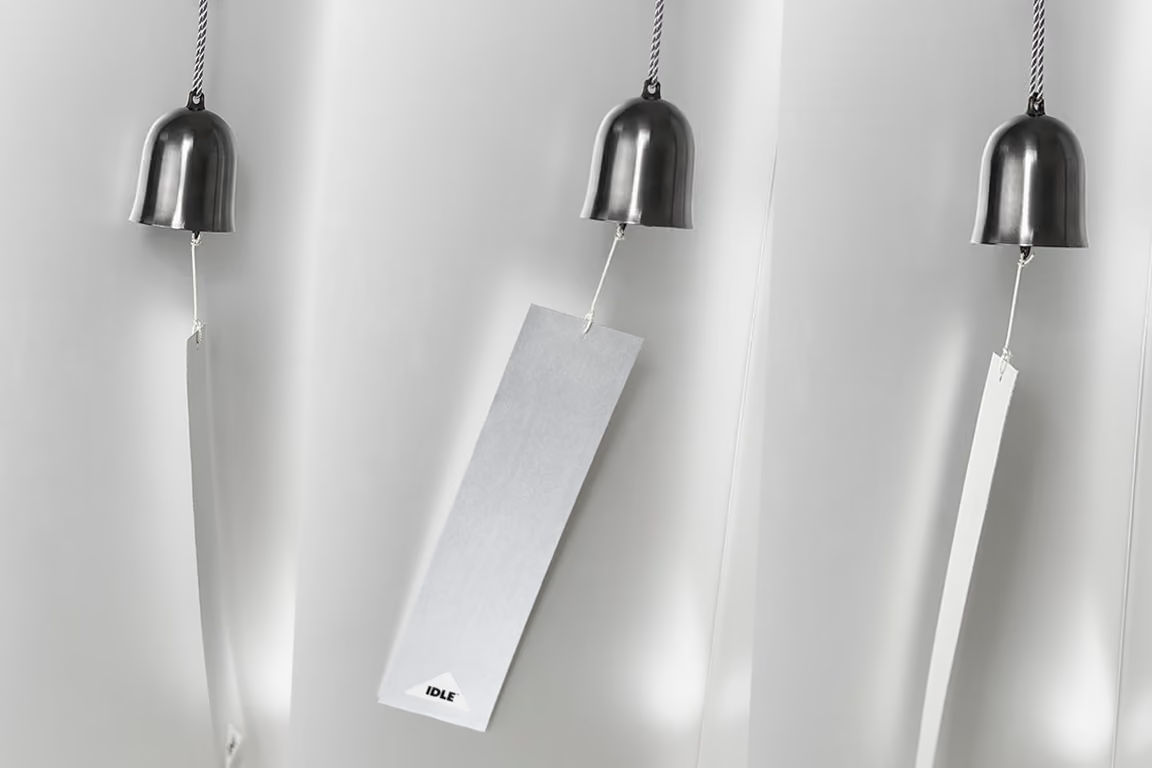
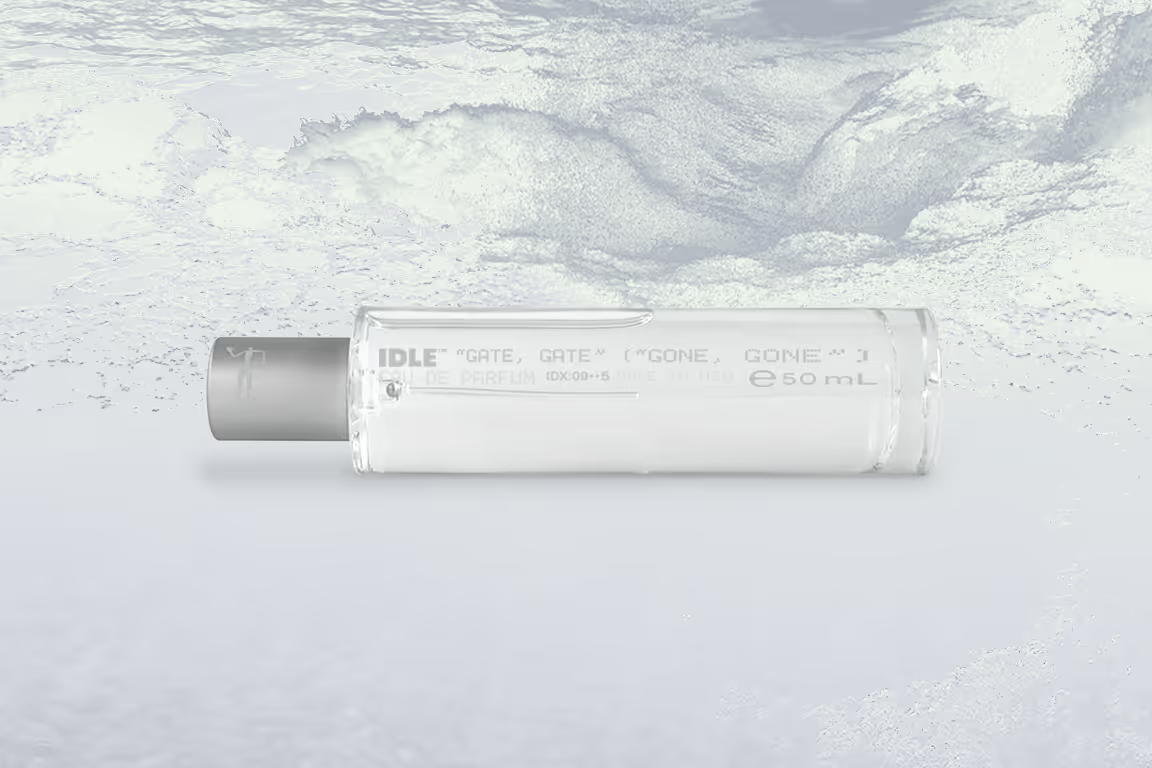


IDLE™ is a sensory design project shaped by direct, non-discursive experience, creating dynamic “open” works where participants are active in creating the work’s meaning.
Working across mediums—from fragrance, spatial installation, object-making, and communicative design—the practice is grounded in the brief interval in which perception appears but has not yet been shaped by interpretation, in a state of “pure experience.”
Often using fragrance as a primary medium, not for its expressive potential, but because of our limited olfactory focus as contemporary humans who use our sense of smell often in finite, binary expressions of good and bad. Through the use of fragrance, we posit the idea that we can utilize it as a trigger for unimpeded awareness: a quieting of the comparative mind and return to experience free from distraction.
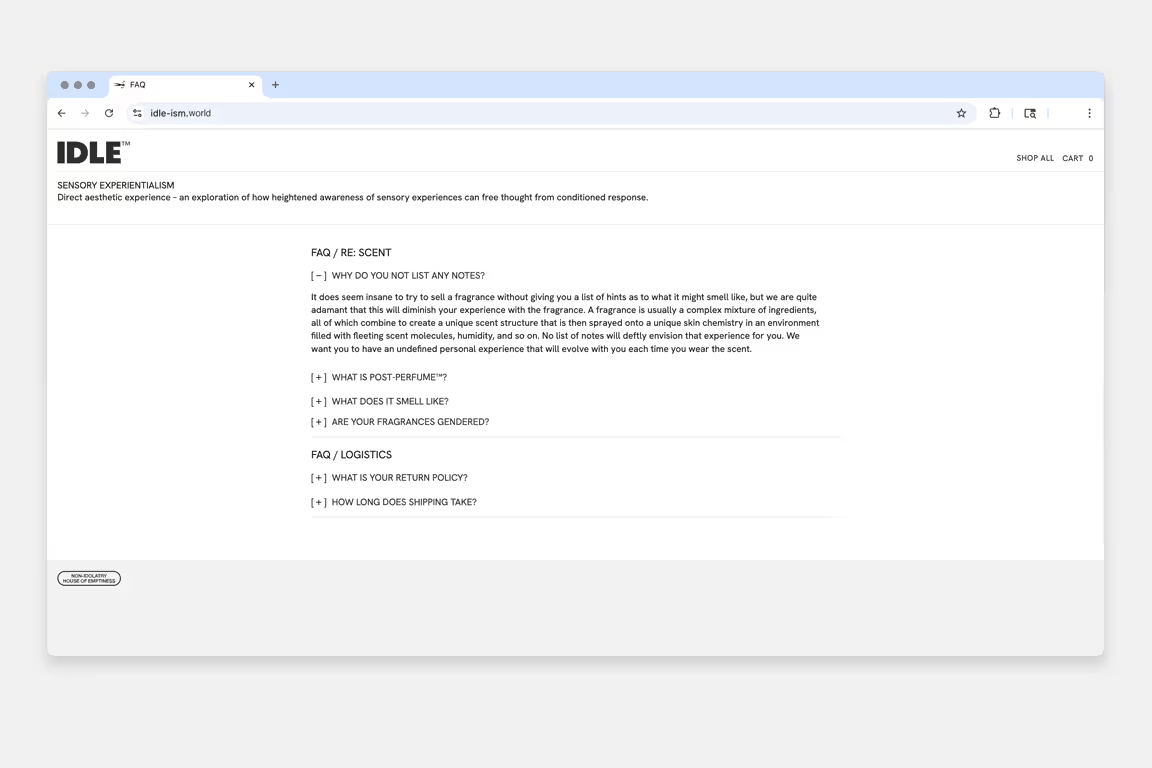
Our fragrances are therefore designed as abstract arrangements, avoiding note lists, narratives, and conventional accords in order to provide open works that allow for personal, dynamic perception according to the contingent conditions of skin, air, movement, and attention. In this way, a fragrance becomes a field—a site of encounter rather than interpretation.
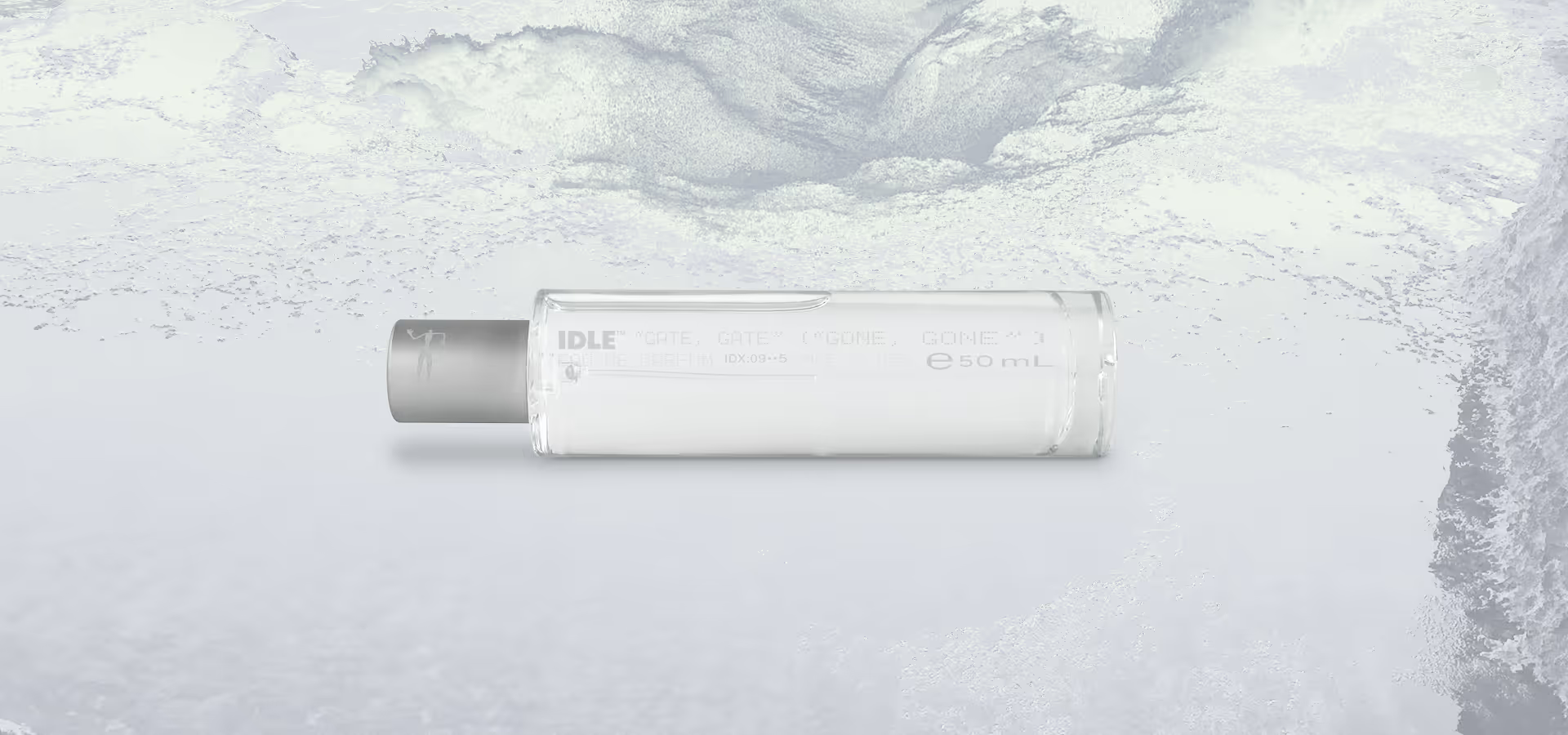
Each IDLE™ fragrance is developed over several years, working with a single perfumer to allow a coherent language of abstraction and character to emerge across the collection. Operating as abstract forms, they resist reduction to recognizable notes or traditional accords, instead providing liminal scentscapes that precipitate observation.
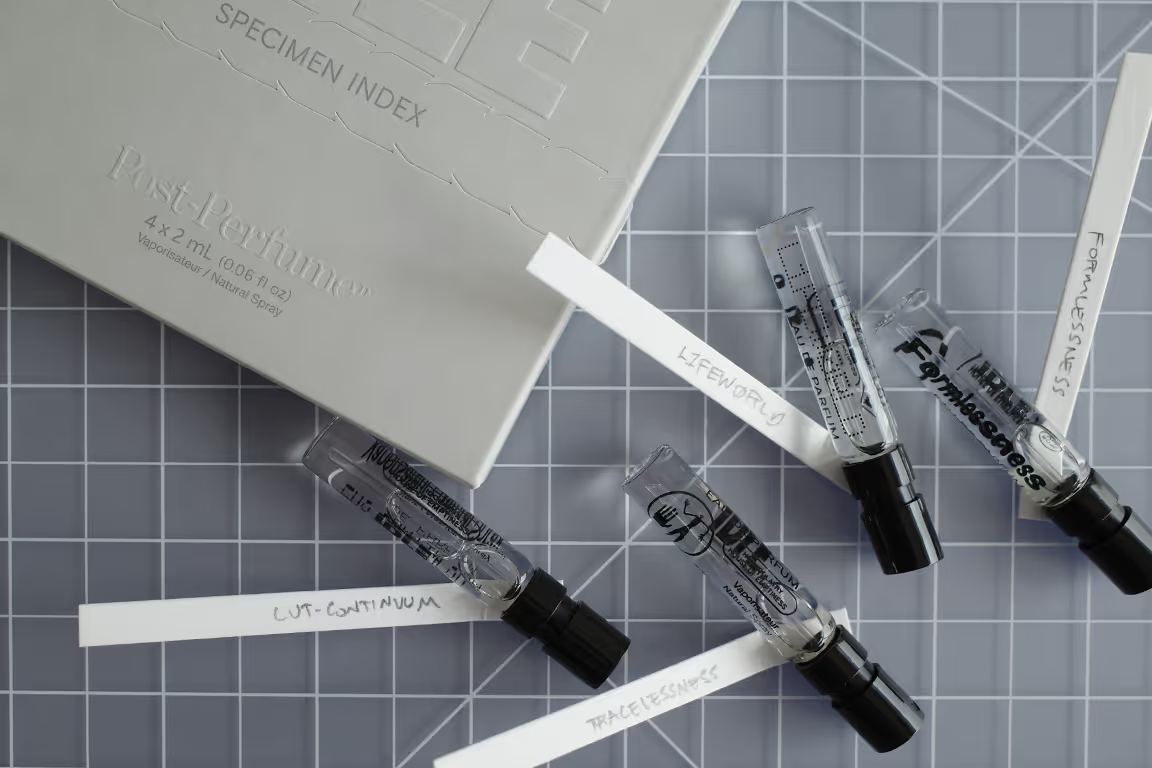
Names draw on philosophical references and the internal logic of the composition, offering orientation without definition.
In this way, Post-Perfume™ marks a shift away from fragrance as identity or ornament, toward fragrance as direct experience.
We work within the framework of a brand, but not in service of the aims a brand typically pursues. The framework becomes a site of practice — a way to place sensory and aesthetic inquiry into lived contexts. We treat the brand not as an identity to project but as a form to work through, with its own constraints, possibilities, and points of contact. In a culture defined by rapid interpretation and constant stimuli, the practice proposes forms that do not demand meaning and creates conditions for attending to presence itself. In this way, IDLE™ occupies a small place within contemporary culture — not as an answer or an escape, but as an opening.